



By Joe Wicke
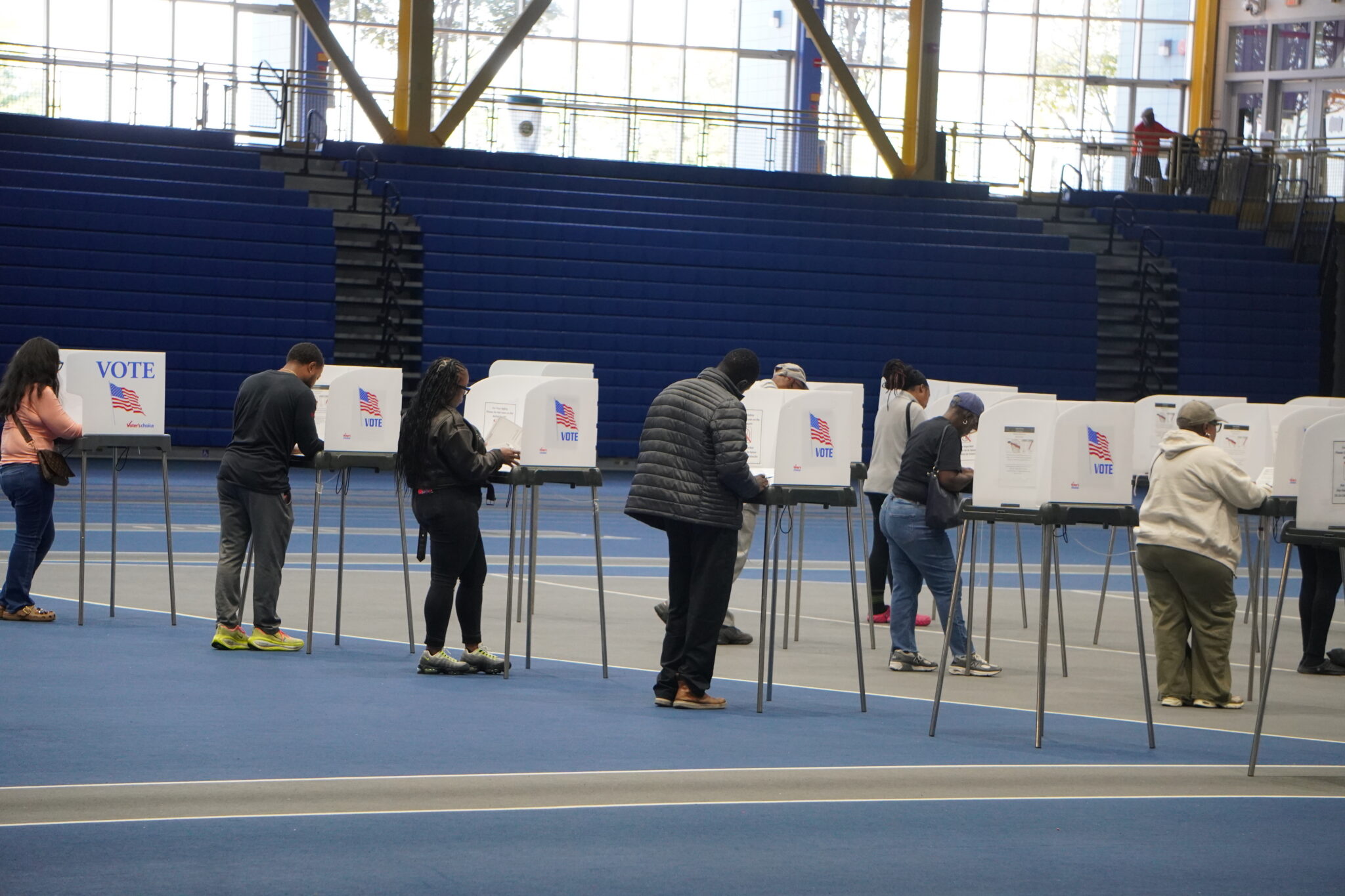
Maryland’s top election official said voters across the state can trust the electoral process on Election Day, despite claims by some of potential voter fraud and rigged elections nationally.
“It is safe, secure, verified,” Jared DeMarinis, Maryland’s state administrator of elections, told Capital News Service. “I think the verified part is important. It’s open and transparent.”
DeMarinis said voters should also not be dissuaded by threats of intimidation.
The Maryland State Board of Elections said Tuesday the agency was notified by the U.S. Department of Justice that election monitors will be sent to Prince George’s County to monitor compliance with language provisions of the Voting Rights Act. The practice is not uncommon, but in a climate when federal officials have not ruled out sending federal troops to polls, some election officials and civil rights groups are worried about the impact on voters.
Early voting, mail-in ballots in Maryland likely to top 1 million before Election Day
“The State Board and every local board takes the responsibility of administering Maryland’s elections very seriously,” DeMarinis said in a statement last week. “Every voter has the right to have their vote counted and their voice heard in a safe environment free from intimidation, harassment or threats.’’
In a recent interview with Capital News Service, DeMarinis explained how the bipartisan board is preparing for Election Day. He also discussed voter intimidation tactics and how Marylanders should plan to vote. The interview has been shortened for brevity and clarity.
Q: How have officials been preparing for the 2026 election?
A: We want to have 100% voter turnout. We selected all the sites. We trained nearly 26,000 election judges to help administer the election…. We mail out mail-in ballots 45 days before the election and start counting. It’s business as usual.
Q: Have there been any concerns, specifically this election cycle, with voter safety?
A: I think that there is an increased awareness of activities that would impact, potentially, voter safety … and it has heightened the anxiety of individuals.
As a voter, what you should be worried about is voting and your plan on how to vote. And if you have apprehensions about one method of voting, it should not preclude you from not voting at all because that’s the noise and that fear is there to disenfranchise you.
Don’t ever let your voice be silenced. Don’t give in to that fear. My job then is to create that safe and secure environment for them to vote.
Q: You mentioned that there’s been an increased awareness of activities that could potentially impact voter safety. Have those activities increased in this election cycle or is this business as usual?
A: I think that there’s new wrinkles into this — ICE, the Department of Homeland Security, the involvement of the federal administration … has elevated people’s senses and awareness to outside influences and factors.
My job is to make sure that I defend Marylanders’ voting rights from outside influences and to protect the sanctity of the electoral process in the state of Maryland. While I’m doing that, I want people to vote and that’s the key here.
Q: Is there concern for the safety of election officials?
A: One of the the first bills I worked on in my job was passing the Protecting Election Officials Act of 2024 in the Maryland General Assembly, which protected election judges from undue harassment and threats.
We’ve made protections for them so that they can feel that they’re doing their civic duty and that we have their back and that we will prosecute people that are trying to … cause havoc with election judges. They’re just our neighbors, our friends, helping our democracy.
Q: What forms of voter intimidation typically come up in election cycles?
A: The forms differ throughout the ages. I think now the biggest form is probably mis- and disinformation because they try to make it so that voters have apathy or that their vote doesn’t matter and they play upon the psychological aspects of a voter now.
Q: What’s one thing you wish the public knew about the electoral process?
The stakeholders, the candidates, the public, they can go to mail-in ballot canvassing. They can attend logic and accuracy public demonstrations on the equipment before it is deployed. There’s challengers, observers and watchers at polling places.
When we declare who wins after certification that person has the right to govern with the consent of the people.
– Capital News Service is a student-staffed reporting service operated by the University of Maryland’s Philip Merrill College of Journalism. Stories are available at the CNS site and may be reprinted as long as credit is given to Capital News Service and, most importantly, to the students who produced the work.