



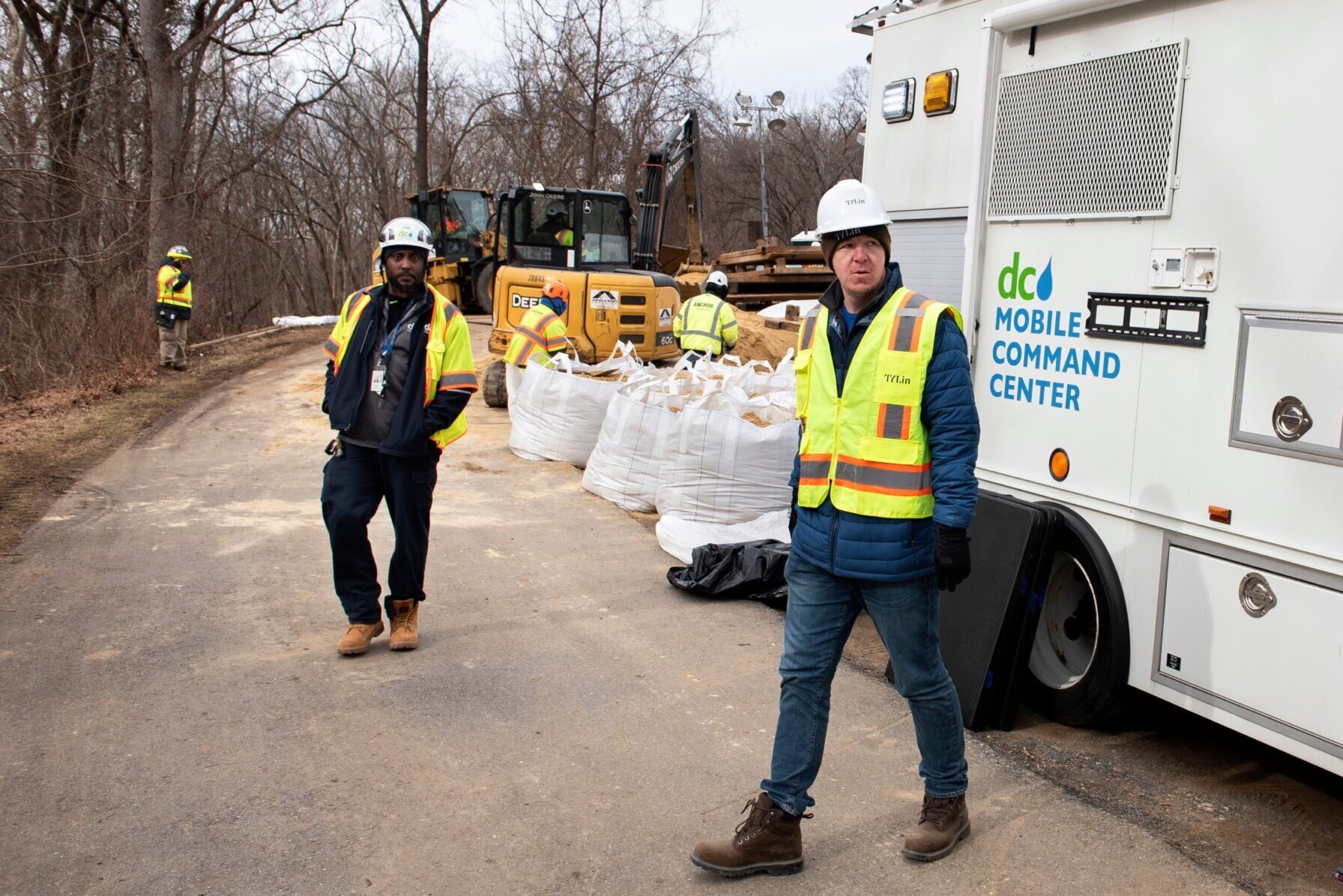
Repairs to the damaged Potomac Interceptor pipeline are projected to be completed by mid-March, according to DC Water, paving the way for environmental cleanup efforts along the Potomac River and the Chesapeake & Ohio Canal. The infrastructure failure, which resulted in a wastewater discharge, has prompted a coordinated regional response and a comprehensive environmental restoration plan.
Officials stated that the long-term restoration strategy will address every area impacted by the wastewater spill. Cleanup efforts will focus on the immediate collapse site, nearby creek beds, shoreline areas along the Potomac River, and sections of the Chesapeake and Ohio Canal. However, full-scale restoration cannot begin until the temporary bypass pumping system currently in place is shut down and a formal environmental plan receives regulatory approval.
The restoration plan is being developed in coordination with the Environmental Protection Agency, which will serve as the lead federal agency overseeing cleanup operations. Additional partners include the U.S. Army Corps of Engineers, the Maryland Department of the Environment, and the DC Department of Energy and Environment. Engineering teams from the Army Corps’ Baltimore District are currently evaluating solutions to prevent further contamination and support a smooth transition into restoration. One proposal under consideration involves installing check dams to capture contaminated water before it flows into the river, allowing it to be redirected back into the interceptor system.
The estimated cost of pipeline repairs and environmental cleanup has reached approximately $20 million. Funding negotiations are ongoing under an emergency declaration issued by Muriel Bowser. While the federal government has agreed to cover 75% of eligible expenses, district officials have requested full federal reimbursement.
Environmental experts are also monitoring potential long-term ecological impacts. Scientists warn that rising temperatures in the coming months could increase the risk of harmful algal blooms due to elevated nitrogen and phosphorus levels from the sewage spill. Excess nutrients may fuel algae growth, reduce dissolved oxygen levels, and potentially lead to fish kills. Water quality testing continues, and bacteria levels are expected to decline as river flow increases and natural die-off occurs.
There is currently no confirmed date for lifting the recreational water advisory. Officials from D.C. health and environmental agencies will determine when the river is safe based on ongoing water quality sampling. Public meetings are scheduled this week at DC Water headquarters in Navy Yard and at Walt Whitman High School in Bethesda to provide updates and address community concerns.