



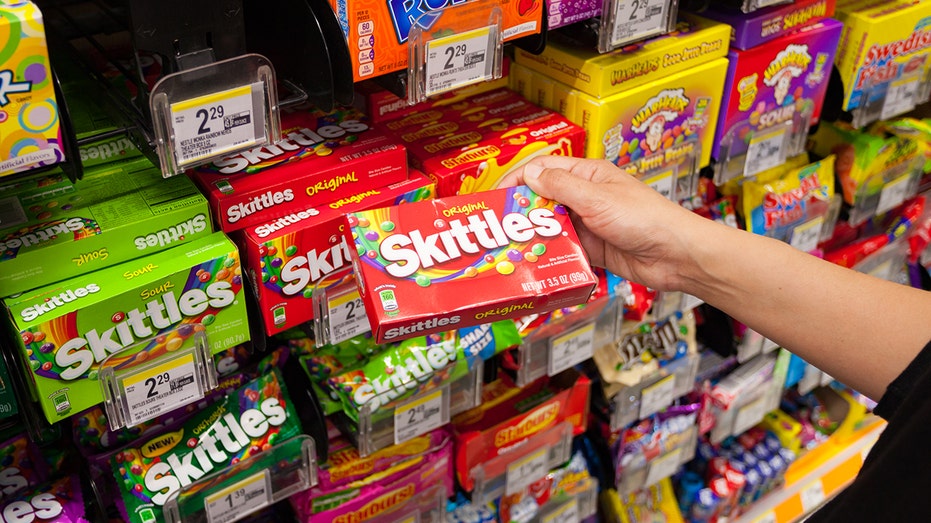
Arsenic Found in Dozens of Candy Products in Florida Testing, Report Says
A newly released report from the Florida Department of Health has found detectable levels of arsenic in dozens of popular candy products, prompting renewed scrutiny over how foods marketed to children are evaluated for heavy metals.
According to state health officials, testing was conducted on 46 candy items produced by 10 different companies. Arsenic was detected in 28 of the products analyzed. The findings were presented this week as part of the state’s Healthy Florida First initiative, a consumer-focused program championed by Gov. Ron DeSantis that aligns with the broader “Make America Healthy Again” agenda. The initiative initially focused on infant formula and has since expanded to other foods commonly consumed by children.
First Lady Casey DeSantis said the testing effort is intended to increase transparency for families. In a statement, she emphasized that consumers should be able to trust that products sold in grocery stores are safe and free from harmful substances.
State officials said the candies were purchased both online and from retail locations across Florida. Samples were analyzed by a certified laboratory using EPA Method 6010D, a standardized metals-testing process that measures total arsenic content. However, the method does not differentiate between organic and inorganic arsenic, the latter of which is considered more toxic.
The Department of Health then calculated hypothetical “safe” consumption thresholds based on estimated monthly and annual intake. Children were used as the reference population due to their lower body weight and higher relative exposure compared with adults.
No recalls were issued as a result of the findings. Officials noted that any potential health risk would depend on multiple factors, including how often the candy is consumed, the duration of exposure, and overall dietary intake.
The report drew criticism from the National Confectioners Association, which represents U.S. candy manufacturers. The organization disputed the state’s conclusions and described the analysis as flawed.
In a statement, the association said candy and chocolate remain safe to consume in moderation and criticized Florida for using benchmarks it said do not align with current federal regulatory standards or peer-reviewed science related to confectionery products. The group also argued that estimating risk based on hypothetical long-term consumption could unnecessarily alarm consumers.
The association pointed instead to the Food and Drug Administration’s Closer to Zero initiative and the agency’s recently launched Total Diet Study Interface, which it said reflects significantly lower arsenic levels in candy products than those reported by Florida.
Florida officials responded by stating that the testing is meant to complement, not replace, federal food safety oversight.
The report identified specific candies that reached the state’s lowest annual consumption thresholds, meaning fewer pieces would be needed over a year to reach the benchmark compared with other products tested. The full list of candies and estimated consumption figures is available on the state’s website, ExposingFoodToxins.com.