



Health officials across multiple states are warning the public about potential measles exposure after a young child with the virus traveled through several major transportation hubs in the Mid-Atlantic region last week. The patient, described by Virginia health authorities as a preschool-age child, had recently returned from international travel before arriving in the United States. The child flew into Philadelphia International Airport and subsequently traveled through parts of Pennsylvania, Maryland, Washington, D.C., and Virginia, potentially exposing others to the highly contagious virus.
According to state and local health departments, the possible exposure window occurred between January 7 and January 9. During that time, the child passed through a number of public locations, including airports, train stations, shuttle buses, and medical facilities. Health officials released a detailed list of locations and timeframes where members of the public may have come into contact with the virus. These included areas within Philadelphia International Airport, Amtrak trains operating along the Northeast Corridor, Union Station in Washington, D.C., transportation services connected to BWI Marshall Airport in Maryland, and medical facilities at the Alexander T. Augusta Military Medical Center in Virginia.
Officials noted that the Amtrak train used by the child made multiple stops between Boston and Washington, D.C., increasing the possibility of exposure across a wide geographic area. However, the Maryland Department of Health confirmed that no measles exposures were identified inside the terminals at BWI Marshall Airport itself. Virginia health officials stated that this case represents the state’s second confirmed measles case of the year, while Maryland reported no confirmed measles cases so far in 2026.
Health authorities emphasized the importance of vaccination in preventing the spread of measles. Individuals who have received two doses of the measles vaccine, or who were born before 1957, are generally considered protected. Those who are uncertain about their vaccination status are encouraged to contact their healthcare provider or access immunization records through state-run portals.
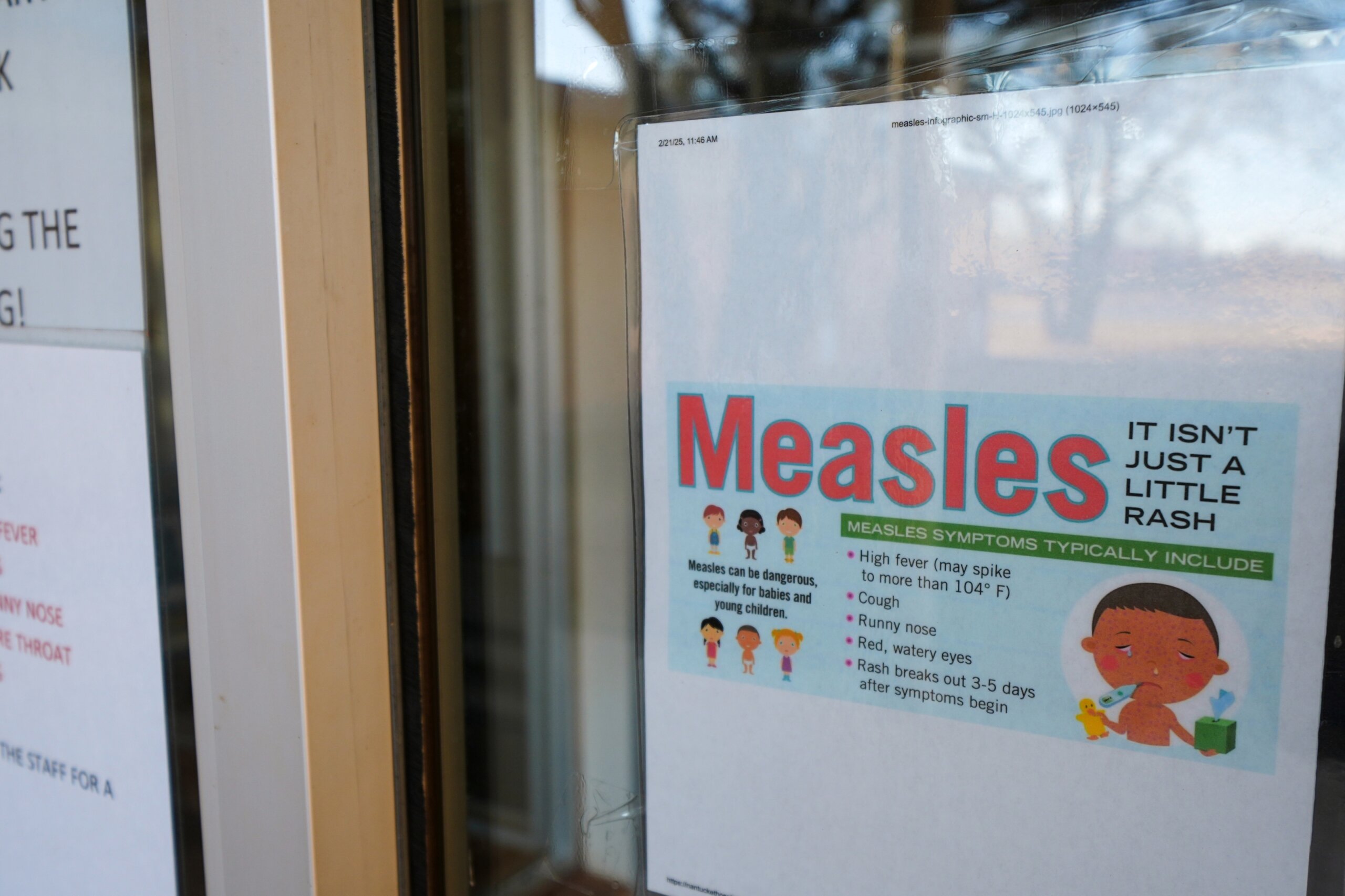
For individuals who are not fully vaccinated and believe they may have been exposed, health officials strongly recommend contacting a healthcare provider or local health department to determine appropriate next steps. Exposed individuals should monitor for symptoms for up to 21 days following potential exposure. Early signs of measles may include a runny nose, cough, red or watery eyes, and a fever exceeding 101 degrees.
If symptoms develop, individuals are urged to remain at home and avoid public places to prevent further spread. Health agencies stress that anyone seeking medical care should call ahead before arriving at a healthcare facility so appropriate precautions can be taken. Officials continue to monitor the situation and encourage vigilance to limit the spread of the disease.